Kolam Heritage Explorer
Explore the vibrant history, cultural depth, and artistic evolution of Kolams—South India's living tradition of art and welcome.
History & Origin
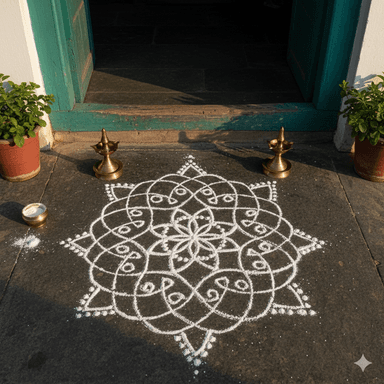
Kolams are intricate patterns drawn at the thresholds of homes, especially in Tamil Nadu and South India. Their roots trace back centuries, symbolizing auspiciousness and daily renewal. Traditionally made with rice flour, Kolams are part of morning rituals, festivals like Pongal, and special occasions—welcoming prosperity and guests.
Cultural Significance
- Dots & Symmetry: Dots represent cosmic energy and order; symmetry reflects balance and harmony.
- Spiritual Meaning: Kolams are believed to bring prosperity, protection, and a connection with nature.
- Eco-Friendly: Made with rice flour, Kolams feed birds and ants, supporting local ecology.
- Community Bond: Drawing Kolams fosters creativity, patience, and social connection.
Evolution of Kolam Art
Dots
Foundation of all Kolams
Lines
Connecting the cosmic energy
Patterns
Intricate geometric designs
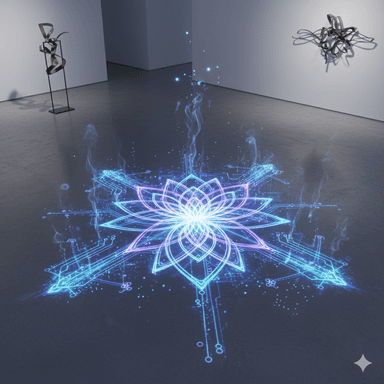
Digital
Modern AI-generated Kolams
Regional Kolam Styles
Tamil Nadu
Pulli Kolam (dot grids)
The birthplace of Kolam art with intricate dot-based patterns
Karnataka
Rangavalli
Known for colorful Rangavalli patterns with natural motifs
Andhra/Telangana
Muggu
Famous for Muggu designs with rice flour artistry
North India
Rangoli (colorful version)
Vibrant Rangoli patterns with colorful expressions
Did You Know?
Kolam Quiz Challenge
AI-Powered Kolam Quiz!
Dynamic questions generated by Gemini AI